Post-holiday sales often feel like a reset button for many merchants. Traffic drops, urgency fades, and the strategies that worked during peak season are quietly paused. But that pause is usually a mistake.
According to FXC intelligence’s analysis, over 81 million customers shopped from Shopify brands during BFCM 2025 alone. That surge wasn’t just about discounts or timing. It revealed how customers actually behave when buying decisions matter most. Holiday bundles, in particular, showed how shoppers respond to clarity, perceived value, and confidence at scale. Those behaviors don’t disappear in January. They simply become easier to overlook.
This article explains why holiday bundles shouldn’t be treated as a one-time tactic. The holiday season reveals how customers really make buying decisions. Those insights don’t lose value after the holidays. When used intentionally, they can guide smarter, more sustainable decisions throughout the year and help merchants continue growing long after the peak season ends.
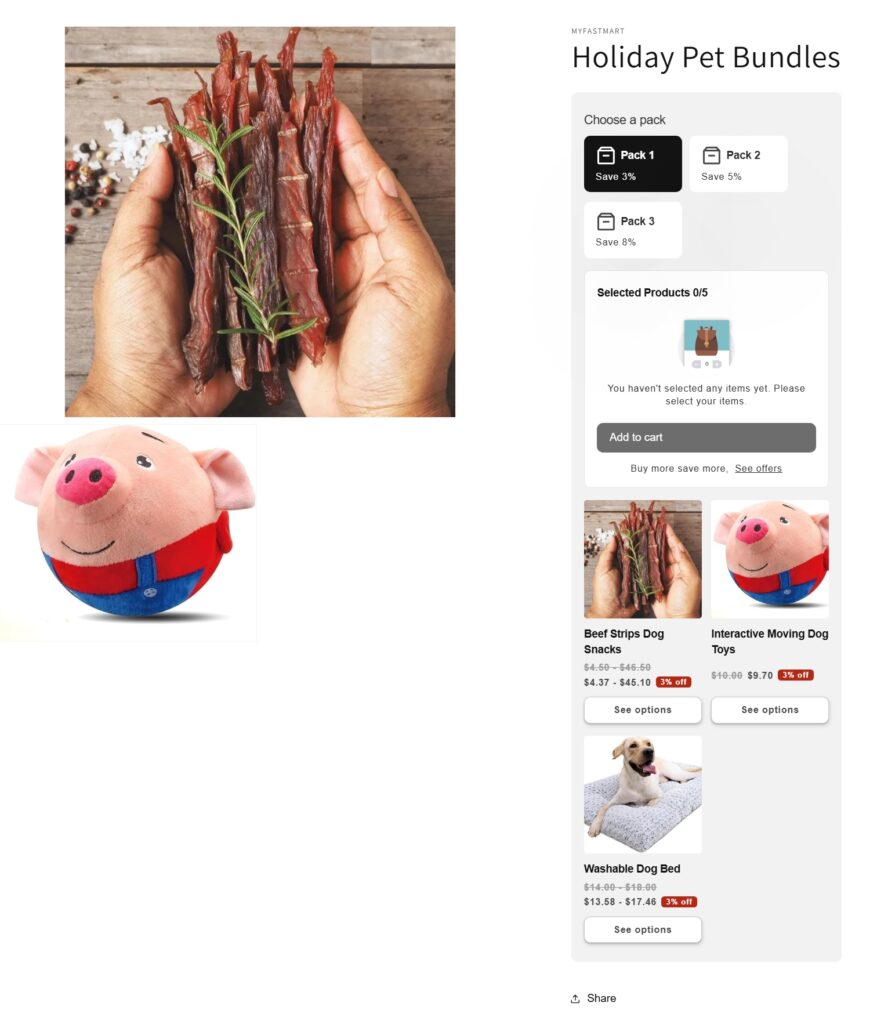
Pet gifting fits naturally into the momentum created by holiday bundles. These emotional purchases continue to work well for post-holiday sales, not just peak season. See our Shopify 的节日礼品套装 guide to understand why these bundles convert so effectively year-round.
Post-holiday sales planning becomes clearer when merchants look at what the holiday season truly exposes. Peak periods like Black Friday and Cyber Monday act as a stress test for buying behavior. Shoppers face time pressure, more options, and higher emotional stakes. In these moments, decisions become more honest. Customers rely less on browsing and more on paths that feel clear and safe.
Several consistent behavior patterns appeared during the holidays:
These patterns matter because they appear when friction is highest. If a buying experience works under pressure, it usually works even better afterward. That makes holiday behavior more reliable, not less.
For Q1, merchants don’t need new tactics. They need to reuse what already worked. By identifying which bundles reduced hesitation, increased clarity, and guided decisions naturally, merchants can apply the same structure throughout the year and build more predictable, sustainable growth beyond the holiday season.
During the holidays, customers were surrounded by options, timelines, and competing offers. Yet conversions increased when the buying path became simpler. Fewer decisions led to faster checkouts because customers didn’t have to think as much. When products were grouped with a clear purpose, shoppers felt confident moving forward instead of second-guessing their choices.
This clarity matters even more after the holidays. Without urgency or gifting pressure, customers are less patient with complex catalogs. They want to understand what to buy quickly and why it makes sense for them. Evergreen bundles built around routines, needs, or common use cases perform better because they remove unnecessary steps from the decision process.
该怎么办: Decide what customers don’t need to decide anymore. When structure replaces choice overload, conversion becomes a natural outcome.
Post-holiday sales performance showed a clear shift in what customers responded to. Many bundles sold well, even with modest discounts, because shoppers weren’t chasing the lowest price. They were buying a complete solution. When products were grouped with a clear purpose, the price felt justified without heavy savings. Customers could quickly understand what they were getting and why it made sense.
This matters for merchants trying to protect margins after peak season. Deep discounts may drive short-term volume, but they often weaken perceived value. Bundles, on the other hand, allow merchants to frame products around outcomes rather than individual prices. A well-structured bundle feels worth paying for because it solves a specific need.
该怎么办: Shift from selling price to selling outcomes. When customers see value clearly, conversion stays strong without sacrificing margins.
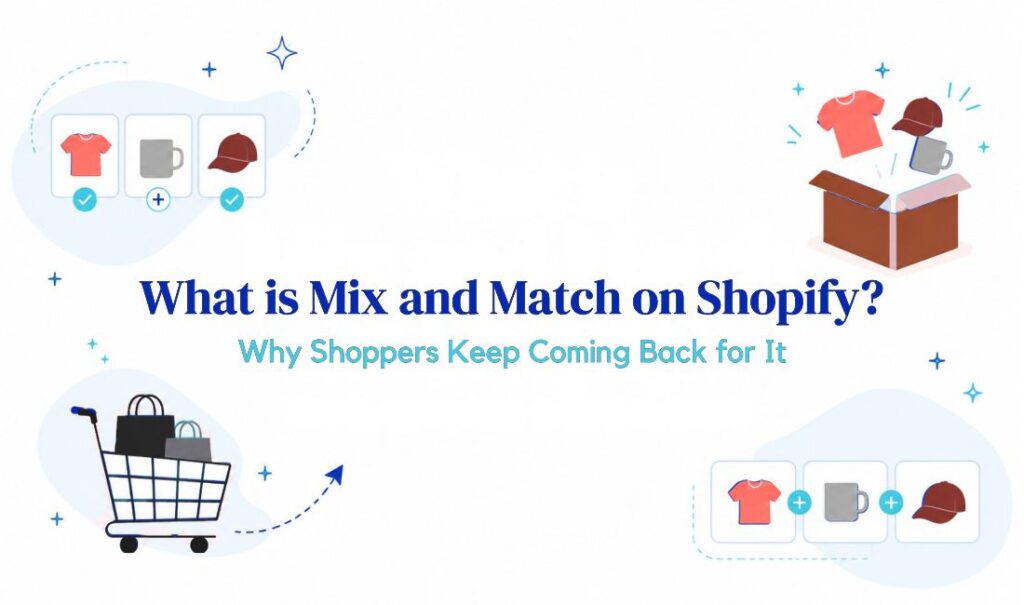
Holiday bundles also revealed how flexibility affects buyer confidence. Mix-and-match options performed well because they gave customers a sense of control without overwhelming them. Shoppers felt more comfortable committing when they could adjust within clear boundaries.
This works especially well for repeat purchases, replenishable products, or curated collections where preferences vary. A small level of choice helps customers feel the purchase fits their needs. However, too much flexibility can slow decisions and recreate the same confusion that bundles are meant to remove.
该怎么办: Decide where customers benefit from control and where structure creates clarity. Intentional flexibility builds trust. Unchecked choice brings hesitation.
Post-holiday sales often expose a different problem for merchants: uneven inventory. Some products continue to sell, while others slow down quickly. Bundling proved to be an effective way to balance this without rushing into clearance. When slower-moving items were paired with proven sellers, demand was shared naturally across products. Customers focused on the value of the full bundle, not on evaluating each item individually.
This approach works because it doesn’t signal discounting. Bundles feel intentional, not reactive. They protect brand perception while still helping inventory move. Bundle apps 从 Shopify App Store make this easier by allowing you to combine products strategically without restructuring their entire catalog.

该怎么办: Identify which products should never sell alone. When paired thoughtfully, inventory moves quietly and predictably.
Bundles increased average order value without relying on traditional upsells. This happened because they guided customers instead of interrupting them. Pop-ups, add-ons, and last-minute suggestions often break buying momentum. Bundles, however, set expectations upfront and make a higher-value purchase feel like the default choice.
Structured purchases help customers decide faster. They reduce the mental effort of comparing add-ons and remove the feeling of being “sold to.” As a result, carts grow in a way that feels natural, not forced. This leads to more predictable order values over time.
该怎么办: Design better purchases instead of pushing add-ons. When value is built into the structure, AOV grows on its own.
Post-holiday sales often push merchants into short-term thinking. Bundles are launched for a season, then paused once the urgency fades. That approach limits their impact. The holiday period already proved how customers prefer to buy when decisions are clear, value is visible, and purchases feel complete. Those preferences do not disappear after the holidays end.
Customer behavior doesn’t reset just because the calendar changes. What worked under pressure continues to work when buying slows. The difference is consistency. Campaigns create spikes, but systems create stability. When bundling is built into everyday merchandising, it supports conversions, inventory flow, and order value without constant promotion.
The real decision for merchants is strategic. Decide whether bundling is a one-off campaign or a permanent part of how products are presented and sold. Long-term growth favors systems over promotions.
Post-holiday sales don’t need a fresh set of experiments. The holiday season already tested what works at scale. Customers showed how they respond to clarity, structure, and value when buying pressure is high. Those lessons are reliable because they worked when conditions were toughest.
The real opportunity is applying those insights intentionally throughout the year. Bundling should not be treated as a seasonal trick or a short-term promotion. When used consistently, it becomes a sustainable growth lever that supports conversions, protects margins, and improves inventory flow.
Merchants who build on proven holiday behavior don’t need to rely on constant discounts or reactive tactics. They use systems that guide better purchases every day. That is how peak-season wins turn into long-term growth.
Yes. The customer behaviors that made bundles effective during the holidays, such as reduced decision fatigue and clearer value, continue to influence buying decisions throughout the year.
No. Many bundles perform well with modest or no discounts because customers value completeness and clarity more than price alone.
Bundling allows slower products to benefit from the demand of stronger sellers, helping inventory move without relying on clearance sales or heavy discounting.
Bundles are most effective when used as a long-term merchandising system. Treating them as a permanent structure delivers more consistent results than seasonal campaigns alone.