Utilizzare le informazioni sui pacchetti vacanze per migliorare le vendite post-festive: trasformare i successi della stagione di punta in una crescita che dura tutto l'anno
Indice
- Cosa hanno rivelato realmente le vendite natalizie sul comportamento dei clienti
- La stanchezza decisionale è un killer della conversione
- I clienti hanno acquistato completezza, non sconti
- La flessibilità crea fiducia quando usata intenzionalmente
- I pacchetti come strategia di inventario silenzioso
- Crescita AOV senza attrito
- Il cambiamento più grande: dalle campagne ai sistemi
- Conclusione
- Saldi post-festivi: FAQ
- I pacchetti possono continuare a funzionare anche dopo la fine delle festività?
- I pacchetti necessitano sempre di grandi sconti per essere convertiti?
- In che modo i pacchetti possono aiutare con le scorte a lenta movimentazione?
- Il bundling dovrebbe essere utilizzato come strategia promozionale o a lungo termine?
Per molti commercianti, i saldi post-festivi sono spesso un vero e proprio reset. Il traffico cala, l'urgenza svanisce e le strategie che hanno funzionato durante l'alta stagione vengono silenziosamente messe in pausa. Ma questa pausa è solitamente un errore.
Secondo Intelligenza FXC’Secondo l'analisi di, oltre 81 milioni di clienti hanno fatto acquisti da marchi Shopify solo durante il BFCM 2025. Questa impennata non è stata solo una questione di sconti o tempistiche. Ha rivelato il comportamento effettivo dei clienti quando le decisioni d'acquisto sono quelle più importanti. I pacchetti vacanza, in particolare, hanno mostrato come gli acquirenti reagiscono a chiarezza, valore percepito e fiducia su larga scala. Questi comportamenti non scompaiono a gennaio. Semplicemente, diventano più facili da ignorare.
Questo articolo spiega perché i pacchetti vacanza non dovrebbero essere considerati una strategia una tantum. Il periodo natalizio rivela come i clienti prendono realmente le decisioni di acquisto. Queste informazioni non perdono valore dopo le festività. Se utilizzate intenzionalmente, possono guidare decisioni più intelligenti e sostenibili durante tutto l'anno e aiutare i commercianti a continuare a crescere ben oltre la fine dell'alta stagione.
Riepilogo- Le prestazioni dei pacchetti vacanza hanno evidenziato come i clienti preferiscano chiarezza, completezza e sicurezza al momento dell'acquisto, anche al di fuori dell'alta stagione.
- Le stesse strategie di bundle che hanno funzionato durante le festività possono supportare le vendite post-festive proteggendo i margini, migliorando il flusso di inventario e aumentando l'AOV.
- Se trattato come un sistema anziché come una campagna, il bundling diventa una strategia di crescita sostenibile e duratura per tutto l'anno, anziché una tattica stagionale.
I regali per animali domestici si inseriscono naturalmente nel contesto di tendenza creato dai pacchetti regalo per le feste. Questi acquisti emozionali continuano a funzionare bene per i saldi post-festivi, non solo durante l'alta stagione. Consulta il nostro Pacchetti regalo per le feste per Shopify guida per capire perché questi pacchetti si convertono in modo così efficace durante tutto l'anno.
Cosa hanno rivelato realmente le vendite natalizie sul comportamento dei clienti
La pianificazione delle vendite post-festività diventa più chiara quando i commercianti osservano ciò che il periodo natalizio offre realmente. Periodi di punta come il Black Friday e il Cyber Monday fungono da stress test per il comportamento d'acquisto. Gli acquirenti si trovano ad affrontare pressioni dovute al tempo, maggiori opzioni e una maggiore posta in gioco emotiva. In questi momenti, le decisioni diventano più oneste. I clienti si affidano meno alla navigazione e più a percorsi che sembrano chiari e sicuri.
Durante le festività sono emersi diversi modelli comportamentali coerenti:
- I clienti si sono convertiti più velocemente quando le scelte sono state semplificate
- I pacchetti hanno funzionato bene quando sembravano completi, non solo scontati
- Gli acquirenti si fidavano di più delle combinazioni preselezionate rispetto ai lunghi elenchi di prodotti
- I pacchetti flessibili hanno aumentato la fiducia senza rallentare le decisioni
- I prodotti abbinati sembravano più facili da giustificare rispetto ai singoli componenti aggiuntivi
Questi modelli sono importanti perché si manifestano quando l'attrito è massimo. Se un'esperienza d'acquisto funziona sotto pressione, di solito funziona ancora meglio in seguito. Questo rende il comportamento durante le vacanze più affidabile, non meno.
Per il primo trimestre, i commercianti non hanno bisogno di nuove tattiche. Devono riutilizzare ciò che ha già funzionato. Identificando quali pacchetti hanno ridotto le esitazioni, aumentato la chiarezza e guidato le decisioni in modo naturale, i commercianti possono applicare la stessa struttura durante tutto l'anno e costruire una crescita più prevedibile e sostenibile anche dopo le festività natalizie.
La stanchezza decisionale è un killer della conversione
Durante le festività, i clienti erano circondati da opzioni, tempistiche e offerte concorrenti. Eppure, le conversioni sono aumentate quando il percorso di acquisto è diventato più semplice. Meno decisioni hanno portato a pagamenti più rapidi perché i clienti non hanno dovuto riflettere troppo. Quando i prodotti sono stati raggruppati in base a uno scopo chiaro, gli acquirenti si sono sentiti sicuri di procedere invece di ripensare alle loro scelte.
Questa chiarezza è ancora più importante dopo le festività. Senza urgenza o pressione per i regali, i clienti sono meno pazienti con cataloghi complessi. Vogliono capire rapidamente cosa acquistare e perché ha senso per loro. I pacchetti evergreen, costruiti attorno a routine, esigenze o casi d'uso comuni, hanno risultati migliori perché eliminano passaggi superflui dal processo decisionale.
Cosa fare: Decidi cosa i clienti non hanno più bisogno di decidere. Quando la struttura sostituisce il sovraccarico di scelta, la conversione diventa un risultato naturale.
I clienti hanno acquistato completezza, non sconti
L'andamento delle vendite post-festività ha mostrato un netto cambiamento nelle reazioni dei clienti. Molti pacchetti hanno venduto bene, anche con sconti modesti, perché gli acquirenti non erano alla ricerca del prezzo più basso. Stavano acquistando una soluzione completa. Quando i prodotti venivano raggruppati in base a uno scopo chiaro, il prezzo sembrava giustificato senza grandi risparmi. I clienti capivano rapidamente cosa stavano acquistando e perché aveva senso.
Questo è importante per i commercianti che cercano di proteggere i margini dopo l'alta stagione. Sconti elevati possono aumentare i volumi a breve termine, ma spesso indeboliscono il valore percepito. I pacchetti, d'altra parte, consentono ai commercianti di strutturare i prodotti in base ai risultati piuttosto che ai singoli prezzi. Un pacchetto ben strutturato sembra valere la pena di essere pagato perché risolve un'esigenza specifica.
Cosa fare: Passa dal prezzo di vendita ai risultati di vendita. Quando i clienti percepiscono chiaramente il valore, la conversione rimane elevata senza sacrificare i margini.
La flessibilità crea fiducia quando usata intenzionalmente
I pacchetti vacanza hanno anche rivelato come la flessibilità influenzi la fiducia degli acquirenti. Le opzioni mix-and-match hanno funzionato bene perché hanno dato ai clienti un senso di controllo senza sopraffarli. Gli acquirenti si sono sentiti più a loro agio nell'impegnarsi quando potevano adattarsi entro limiti chiari.
Questo funziona particolarmente bene per acquisti ripetuti, prodotti riassortibili o collezioni selezionate in cui le preferenze variano. Un livello di scelta limitato aiuta i clienti a percepire l'acquisto come adatto alle loro esigenze. Tuttavia, troppa flessibilità può rallentare le decisioni e ricreare la stessa confusione che i bundle dovrebbero eliminare.
Cosa fare: Decidete dove i clienti traggono vantaggio dal controllo e dove la struttura crea chiarezza. La flessibilità intenzionale crea fiducia. Le scelte incontrollate portano esitazione.
I pacchetti come strategia di inventario silenzioso
I saldi post-festivi spesso mettono in luce un problema diverso per i commercianti: l'indifferenza nelle scorte. Alcuni prodotti continuano a essere venduti, mentre altri subiscono un rapido calo. Il bundling si è rivelato un modo efficace per bilanciare questo problema senza affrettarsi a procedere con la liquidazione. Quando gli articoli a più lenta rotazione venivano abbinati a venditori affermati, la domanda si distribuiva naturalmente tra i prodotti. I clienti si concentravano sul valore del bundle completo, non sulla valutazione di ogni articolo singolarmente.
Questo approccio funziona perché non segnala sconti. I pacchetti sono intenzionali, non reattivi. Proteggono la percezione del marchio, contribuendo comunque a far crescere l'inventario. App in bundle dal Shopify L'App Store semplifica questa operazione consentendo di combinare i prodotti in modo strategico senza dover ristrutturare l'intero catalogo.
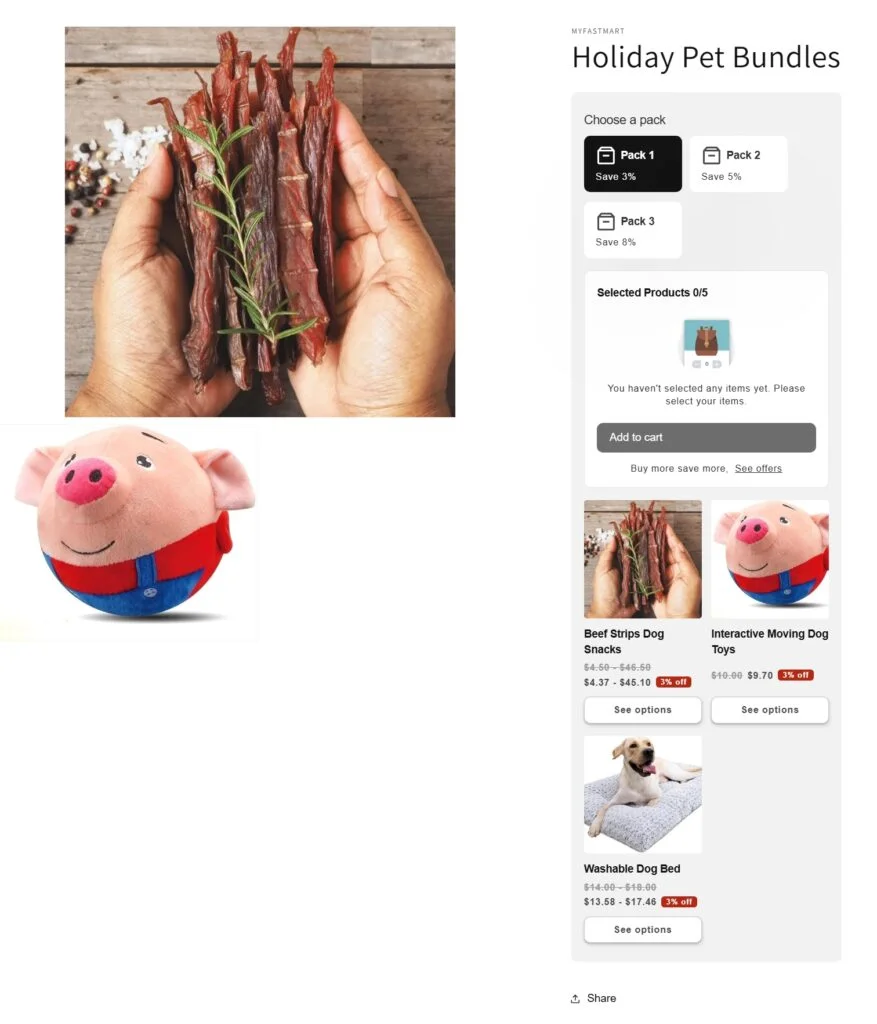
Cosa fare: Identifica quali prodotti non dovrebbero mai essere venduti singolarmente. Se abbinati con cura, l'inventario si muove in modo silenzioso e prevedibile.
Crescita AOV senza attrito
I pacchetti hanno aumentato il valore medio dell'ordine senza ricorrere agli upsell tradizionali. Questo perché guidavano i clienti anziché interromperli. Pop-up, componenti aggiuntivi e suggerimenti dell'ultimo minuto spesso interrompono lo slancio d'acquisto. I pacchetti, invece, definiscono le aspettative in anticipo e fanno sì che un acquisto di valore più elevato venga percepito come la scelta predefinita.
Gli acquisti strutturati aiutano i clienti a decidere più velocemente. Riducono lo sforzo mentale di confrontare i prodotti aggiuntivi e eliminano la sensazione di "essere stati venduti". Di conseguenza, i carrelli crescono in modo naturale, non forzato. Questo si traduce in valori degli ordini più prevedibili nel tempo.
Cosa fare: Progettare acquisti migliori invece di spingere verso l'acquisto di componenti aggiuntivi. Quando il valore è integrato nella struttura, l'AOV cresce da solo.
Il cambiamento più grande: dalle campagne ai sistemi
I saldi post-festivi spesso spingono i commercianti a ragionare a breve termine. I pacchetti vengono lanciati per una stagione, per poi essere sospesi una volta che l'urgenza svanisce. Questo approccio ne limita l'impatto. Il periodo delle festività ha già dimostrato come i clienti preferiscano acquistare quando le decisioni sono chiare, il valore è visibile e gli acquisti sembrano completi. Queste preferenze non scompaiono dopo la fine delle festività.
Il comportamento dei clienti non si azzera solo perché cambia il calendario. Ciò che ha funzionato sotto pressione continua a funzionare quando gli acquisti rallentano. La differenza sta nella coerenza. Le campagne creano picchi, ma i sistemi creano stabilità. Quando il bundling è integrato nel merchandising quotidiano, supporta conversioni, flusso di inventario e valore degli ordini senza promozioni costanti.
La vera decisione per i commercianti è strategica. Decidere se il bundling sia una campagna una tantum o una parte permanente del modo in cui i prodotti vengono presentati e venduti. La crescita a lungo termine privilegia i sistemi rispetto alle promozioni.
Conclusione
Le vendite post-festive non hanno bisogno di una nuova serie di esperimenti. Il periodo natalizio ha già messo alla prova ciò che funziona su larga scala. I clienti hanno dimostrato come rispondono a chiarezza, struttura e valore quando la pressione all'acquisto è elevata. Queste lezioni sono affidabili perché hanno funzionato quando le condizioni erano più difficili.
La vera opportunità sta nell'applicare intenzionalmente queste intuizioni durante tutto l'anno. Il bundling non dovrebbe essere considerato un trucco stagionale o una promozione a breve termine. Se utilizzato con costanza, diventa una leva di crescita sostenibile che supporta le conversioni, protegge i margini e migliora il flusso di inventario.
I commercianti che si affidano a un comportamento consolidato durante le festività non hanno bisogno di fare affidamento su sconti costanti o tattiche reattive. Utilizzano sistemi che guidano gli acquisti migliori ogni giorno. È così che i successi in alta stagione si trasformano in crescita a lungo termine.
Saldi post-festivi: FAQ
I pacchetti possono continuare a funzionare anche dopo la fine delle festività?
Sì. I comportamenti dei clienti che hanno reso efficaci i pacchetti durante le festività, come la riduzione dell'affaticamento decisionale e un valore più chiaro, continuano a influenzare le decisioni di acquisto durante tutto l'anno.
I pacchetti necessitano sempre di grandi sconti per essere convertiti?
No. Molti pacchetti funzionano bene con sconti modesti o nulli perché i clienti danno più valore alla completezza e alla chiarezza che al solo prezzo.
In che modo i pacchetti possono aiutare con le scorte a lenta movimentazione?
Il bundling consente ai prodotti più lenti di beneficiare della domanda dei venditori più forti, aiutando a movimentare le scorte senza dover ricorrere a vendite di liquidazione o forti sconti.
Il bundling dovrebbe essere utilizzato come strategia promozionale o a lungo termine?
I bundle sono più efficaci se utilizzati come sistema di merchandising a lungo termine. Considerarli come una struttura permanente offre risultati più costanti rispetto alle sole campagne stagionali.
Verificato per accuratezza
Questo articolo è stato revisionato dal team di supporto tecnico di PushBundle, che aiuta regolarmente i merchant Shopify a testare la configurazione dei bundle, le regole di selezione dei prodotti, i prezzi dei bundle, il comportamento del carrello e i problemi dei bundle legati al checkout.
Informazioni sull'autore

Syeda Rehnoma Tanzom
Collaboratore PushBundle
This article is written by Syeda Rehnoma Tanzom, an SEO content writer with 3+ years of experience specializing in eCommerce content. What makes the work here a little different? A close collaboration with support teams to understand what merchants are actually going through, their frustrations, their questions, and their wins. The goal is simple: write content that speaks to real problems, not just search engines. When not buried in keywords and content briefs, you'll find her nose-deep in a good book, binge-watching true crime documentaries or psychological thrillers, and occasionally switching gears with a feel-good rom-com.