バレンタインデーの買い物は感情的になり、時間的な制約も大きいです。人々は贈り物を買うのであって、価格を比較するのではありません。多くの買い物客は、特に日が近づくにつれて、焦りを感じ、不安を感じています。彼らは、あまり決断を迫られることなく、心のこもった贈り物を求めているのです。.
この緊急性は実際のデータにも表れています。2024年の週ごとに、このイベントは 電子商取引の売上高が6.4%増加 2月7日から14日までの期間における、前週との比較。この増加は、慎重な掘り出し物探しによるものではなく、駆け込みや自信に基づく購入によるものです。.
バレンタインデーでは、一律割引はありきたりな印象を与えがちです。個人的なプレゼントというよりは、プロモーション的な印象を与えます。一方、バンドル割引は意図的な印象を与えます。ギフトとして完璧なものを提示し、購入の選択肢を広げます。.
ほとんどのガイドは、 バンドルはAOVを増加させる. 彼らが見落としているのは、バレンタインデーの買い物客は価格を重視していないということです。彼らは信頼を重視しているのです。だからこそ、バレンタインデーのバンドル戦略は、ギフト販売においてクーポンよりも効果的なのです。.
このブログでは、顧客が反応するバレンタインバンドルの種類、それらを段階的に構築する方法、そしてオファーが強制的ではなく簡単に購入できるようにするために避けるべきことを学びます。.
目次
特定のバンドル形式について深く掘り下げる前に、バレンタインバンドルの成功例がどのように機能するかを理解しておくと役立ちます。 Shopify向けホリデーギフトバンドル ギフトを目的とした購買心理と、バレンタインデー期間中にバンドル購入が基本割引を上回る理由について説明します。.
2026年のバレンタインデー戦略としてバンドル販売が最適な理由
バレンタインデーの買い物客は、より多くのオファーではなく、より少ない選択肢を求めています。時間が刻々と迫る中、割引商品をスクロールしていくと、明確な答えではなく、ためらいが生じてしまいます。バンドル商品は、「何を買えばいいの?」というシンプルな質問に答えることで、そのプレッシャーを軽減します。
良いバンドルとは、完璧な印象を与えるアイテムをまとめたものです。これにより、ギフト選びがしやすくなり、信頼感も高まります。同時に、バンドルはブランドに価格の引き下げや積極的なプロモーションに頼ることなく、消費者の知覚価値を高めることができます。.
これは、遅く購入する人にとって特に重要です。バレンタインデーが近づくにつれ、買い物客はお得な商品を比較するのをやめ、安全でギフトに最適な選択肢を探し始めます。2024年から2025年にかけて、この変化はより顕著になりました。購入者は利便性、安心感、そして心の安らぎを求めています。適切に設計されたバレンタインバンドルは、これら3つすべてを提供します。だからこそ、バンドル販売は2026年にはより強力な戦略となるのです。.
基本割引とバンドル割引:顧客が好むもの
それで、, バンドル vs 割引, 、今年のバレンタインデーにあなたのお店ではどれを選ぶべきでしょうか?
割引は往々にして、単なる取引のように感じられるものです。顧客は割引を、顧客への配慮や努力の表れではなく、売上増加のためのプロモーションと捉えます。割引率は確かに費用を節約できるかもしれませんが、贈り物に意味を持たせることは稀です。.
バレンタインのバンドル商品は、異なる感情的な反応を引き起こします。それは、思いやりと完全性を示唆します。バンドル商品は、割引商品ではなく、既製のギフトのように見えます。買い物客が自分用ではなく、誰かのために購入する場合、この違いは重要です。.
サイドバイサイドの体験では、割引は顧客に何を追加し、どのように特別にするかを決めるよう求めます。バレンタインバンドルは、その手間を省きます。明確な選択肢を提示し、不確実性を軽減します。.
多くのガイドでは、これを価格決定の問題として扱っています。しかし実際には、バレンタインデーは割引の問題ではなく、決断のストレスの問題なのです。.
在庫一掃やセット販売の支援など、限定的なケースでは割引は依然として有効です。しかし、割引だけではバレンタインデーに効果がないのは、まさにこのためです。.
| 側面 | 基本割引 | バレンタインバンドル |
| 第一印象 | 宣伝っぽい | 意図的で贈り物に焦点を当てているように感じる |
| 感情的な反応 | 顧客は何を追加するか選択する必要がある | “「これはよく考えられて組み立てられているように感じます。」” |
| 意思決定の努力 | 顧客は何を追加するか選択する必要がある | 彼らの選択はすでに決まっている |
| 信頼度 | 低~中 | 高い |
| 知覚価値 | 価格引き下げに連動 | 完全性と意味に結びつく |
| 贈り物に適している | 弱い | 強い |
| 直前購入者にアピールする | 低い | 非常に高い |
| ブランド認知 | トランザクション | 思いやりと配慮 |
バレンタインギフトセットの種類
バレンタインデー向けのバンドルはどれも同じように機能するわけではありません。最適な選択肢は、顧客がどれだけの選択肢を求めているか、どれだけ急いでいるか、そして商品がギフトにどれだけ特化しているかによって異なります。以下は、2026年のバレンタインデーに最も効果的なバンドルの種類を、簡単な説明と実例とともにご紹介します。.
- バレンタインバンドルのクロスセル
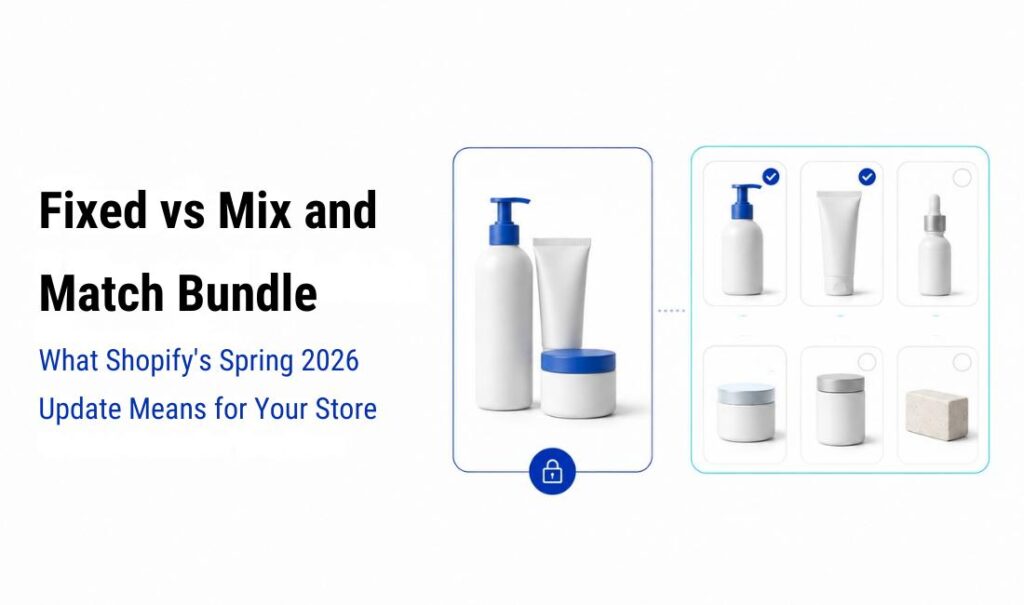
- ミックス&マッチバンドル(単品)
- ミックス&マッチバンドル(複数の製品)
- ボリュームバンドル
- 固定ギフトボックスバンドル
- パーソナライズされたバレンタインバンドル
- デジタル + 物理ハイブリッドバンドル
Type#1 バレンタインバンドルのクロスセル
クロスセルバンドルとは、コア商品と1~2つの補完的なアドオンを組み合わせたものです。目指すのは多様性ではなく、完全性です。アドオンによってメインギフトが完成し、すぐに贈れるような印象を与える場合、このバンドルは最も効果的です。.
このアプローチは、ジュエリー、美容、ライフスタイル、食品ブランドに特に効果的です。顧客は既にメインの商品を求めており、バンドル販売によって追加商品について考える必要がなくなります。.
例えば、ネックレスにギフトボックスと手書きのメッセージカードを添える。ネックレス単体でも素敵ですが、セットにすれば、すぐにバレンタインギフトとして贈れます。.
Type#2 ミックスアンドマッチバンドル(単品)
このバンドルでは、同じ商品の複数のバリエーションをお選びいただけます。買い物客が複雑さを避けつつ柔軟性を求める場合に最適です。商品は使い慣れたもののまま、よりパーソナルな体験をお届けします。.
チョコレート、キャンドル、スキンケア、スナック菓子など、複数のフレーバー、香り、色合いを持つ商品に最適です。店舗側の観点から見ると、SKUの乱雑さを軽減し、平均注文額を向上させる効果もあります。.
例:10種類のフレーバーから6種類のチョコレートを選んでバレンタインボックスを1つ作成します。お客様は参加意識を持ちながら、決定はシンプルです。.
Type#3 ミックスアンドマッチバンドル(複数の製品)
複数の商品を組み合わせたバンドルパッケージでは、さまざまな商品を組み合わせて自分だけのバレンタインギフトボックスを作成できます。これにより、買い物客は自由に商品を選ぶことができ、大量生産品ではなく、厳選されたギフトのような印象を与えます。.
この形式は、互いに補完し合う製品ラインを持つブランドへのギフトに最適です。また、固定されたバンドルよりもパーソナルな贈り物を求める買い物客にも魅力的です。.
例:キャンドル1本、チョコレート1個、小物1個を選んでバレンタインボックスを作りましょう。構成はガイド付きですが、バンドルはカスタムメイドの雰囲気を醸し出します。.
バレンタインデー向けType#4ボリュームバンドル
ボリュームバンドルは、種類ではなく量を重視します。ブランドが大幅な割引に頼ることなく、顧客がより多くの商品をまとめて購入することで、全体的な価値を高めます。重要なのは、まとめ買いではなくセットとして販売することなのです。.
これらのバンドルは、消耗品や繰り返し使うアイテムに最適です。また、複数購入が可能な、自分へのご褒美やカップルセットにも最適です。.
例: バレンタイン セットとしてキャンドルを 3 本購入して、家でくつろぐ夜を過ごします。価値は実用的であると同時に、プレゼンテーションにも意図が感じられます。.
タイプ#5 固定ギフトボックスバンドル
固定ギフトボックスバンドルは事前に梱包されており、カスタマイズは不要です。特にバレンタインデーが近い時期には、スピードと安心感を重視して設計されています。お客様は考えたくないのです。本当に効果のあるものを求めているのです。.
これらのバンドルは、摩擦を減らし、チェックアウトをスピードアップするため、直前の買い物客に非常に好評です。.
例:キャンドル、チョコレート、カードが入った、あらかじめデザインされたバレンタインギフトボックス。クリックひとつ、決断ひとつで、ギフトが完成します。.
タイプ#6 パーソナライズされたバレンタインバンドル
パーソナライズされたバンドルは、特別なメッセージ、名前、刻印などを通して感情的な価値を付加します。割引よりも、商品に込められた意味を重視します。そのため、高価格帯でも大きな効果を発揮します。.
これらのバンドルは、パーソナライゼーションが過度ではなく意図的で限定的である場合に最も効果的です。.
例:短いメッセージが刻印され、バレンタインのメッセージが印刷されたブレスレットのセット。お客様は商品だけでなく、感情に対してもお金を払っているのです。.
Type#7 デジタル + 物理ハイブリッドバンドル
ハイブリッドバンドルは、物理的なギフトと、インスタントメッセージ、QRコード、デジタルカードなどのデジタル要素を組み合わせたものです。遠距離への贈り物や深夜の購入といった、バレンタインデーによくある問題を解決します。.
この形式は、配送に対する不安が大きい、期日が近い日に購入する買い物客にとって特に便利です。.
例:通常の配送で物理的なギフトを発送し、チェックアウト時にデジタルのバレンタインメッセージを即座に送信します。配送に時間がかかっても、ギフトはすぐに届いたように感じられます。.
バレンタインバンドルの作り方(ステップバイステップ)
「すごいけど、実際どうやってやるの?」と思っているなら、簡単なセットアップ方法をご紹介します。.
ステップ#1 アプリをインストールする
インストール Shopifyバンドルアプリ Shopify アプリストアから。
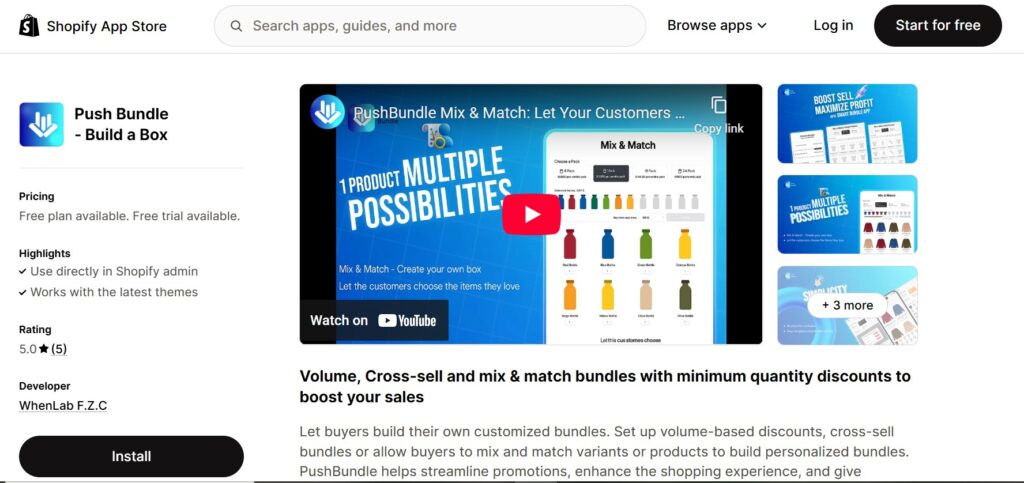
ステップ#2 機能を選択
アプリのダッシュボードから「バンドルを作成」というドロップダウンメニューをご利用ください。現在、4種類のバンドルをご用意しております。.
- ボリュームバンドル
- 組み合わせ自由(単品)
- 組み合わせ自由(複数の製品)
- クロスセルバンドル
ここでは、複数の製品の組み合わせを例として示します。.
Step#3 バンドルタイトルと製品の選択
機能を選択すると、最初に「バンドル情報」と「製品の選択」の 2 つのセクションが表示されます。
タイトルを追加します。 これは、お客様が商品ページ、カート、そしてチェックアウト時に目にするものです。分かりやすい名前を付けましょう。 フィーリング 贈り物の内容ではなく、贈り物の目的や用途が重要です。買い物客は商品リストよりも感情的なヒントに反応します。.
短い説明を書いてください。 最大150文字まで入力できます。バンドルの内容を分かりやすく説明するシンプルな内容にしてください。.
次に、「製品を選択」ボックスに進みます。ここで、バンドルを適用する製品を選択します。バンドルに含まれる製品が相互に連携することを確認してください。「参照」をクリックすると、製品リスト全体が表示されます。.
ステップ#4 数量パックの作成
次に「数量パック」セクションが表示されます。ここで、商品ごとに異なるパックを作成できます。
顧客がパックの内容がわかるように、パックに明確な名前を付けます。
- 数量(例:パック 1、パック 2)を選択します。
- 割引の種類(パーセント、固定額、割引なし)を選択してください。「割引なし」を選択した場合、アプリは単純に各価格を合計します。.
- この例では、顧客が「パック 1」を 1 つ購入すると、5% の割引が適用されます。
複数パック割引を追加することもできます。例えば、お客様が「Pack 2」パックを20個購入した場合、割引額は15%になります。複数パックルールは複数設定できます。
最後に、高度な制限(オプション)があります。ここでは、顧客が選択できるバリエーションの数と、各バリエーションをいくつ追加できるかを制御できます。
ステップ#5レイアウト表示
レイアウト表示には、トップバーテンプレートとサイドバーテンプレートの2つの選択肢があります。ストアのデザインに最適なものをお選びください。
「アイコンを変更」オプションもあります。ここでは、商品用のボックスアイコンやプレースホルダーアイコンをアップロードできます。バンドルをより視覚的に、ブランドイメージを強調したい場合に便利です。
最後に、パックのラベルにサブタイトルを追加することを忘れないでください。これにより、お客様はパックの内容をより明確に理解でき、一目でオファーを理解しやすくなります。
ステップ#6 顧客の資格とステータス
バンドルの閲覧権限も選択できます。すべての顧客に公開することも、特定の顧客タグや特定の顧客に限定することもできます。バンドルはいつでも有効化または無効化できます。
ステップ#7 カスタマイズオプション
フォームの一番最後に「詳細オプション」ボタンがあります。ここで、購入者にとってのオファーの見た目や動作を細かく調整できます。調整できる項目は以下の4つです。
- 表示設定 – バンドルがページにどのように表示されるかを制御します。
- テーマのカスタマイズ – ストアのブランドに合わせて外観を合わせます。.
- カートに追加 – カートに追加ボタンの動作と表示を編集します。
- カスタム CSS – より細かい制御が必要な場合に、デザインをさらに微調整できます。
選択が完了したら、「保存」をクリックすることを忘れないでください。
必要であればこのビデオを見てください!
ブランド価値を損なわずにバレンタインバンドルを価格設定する
バレンタインデーでは、割引率よりも、消費者が感じる価値の方が重要です。消費者が購入するのはギフトであり、お買い得品ではありません。大幅な値下げは、商品の特別感を薄めてしまう可能性があります。適切な価格のバンドル商品は、単に安いからではなく、内容が充実していて意図的な印象を与えるからこそ効果を発揮するのです。.
アンカリングが鍵です。顧客がまず個々の商品の価値を総合的に理解すると、たとえ大幅な値引きがなくても、セット価格が妥当だと感じられます。多くの場合、無料のギフトラッピングや追加特典といった小さなインセンティブの方が、大幅な値下げよりも効果的です。期待を下げずに価値を高めることができるのです。.
目標は価格競争の激化を避けることです。バレンタイン向けのセット商品は、ブランドイメージを守りつつ、購入の意思決定に安心感と自信を与えるものでなければなりません。.
コンバージョン率の高いバレンタインバンドルのベストプラクティス
バレンタイン向けの強力なバンドルは、シンプルで明確、そして信頼しやすいものです。プレゼンテーションや構成における細部のこだわりは、価格そのものよりも重要になることが多いのです。.
- バンドルの選択肢を限定する: 選択肢が多すぎると、購入をためらう原因になります。明確な選択肢を2つか3つ用意しておくと、特に時間に追われている場合には、より早く決断しやすくなります。.
- バレンタイン特有の命名とビジュアルを使用します。 季節感のある名前とビジュアルは、バンドルに意図的な印象を与えます。一方、一般的なラベルは、オファーが使い古された、あるいは急いで作られたように感じさせます。.
- バンドルを 1 つの完全なギフトとして表示します。 バンドルギフトは、商品リストではなく、単一の商品として提示しましょう。そうすることで、ギフトが既に丁寧に準備されているという印象が強まります。.
- バンドルの対象者を強調表示します。 「女性向け」「カップル向け」「直前のギフト」などの明確なヒントがあれば、買い物客はバンドルが自分のニーズに合っているかどうかをすぐに確認できます。.
- 配達タイミングを逃さない: 明確な配達期限は、特にバレンタインデーが近づくと不安を軽減し、カートの放棄を防ぎます。.
バレンタインギフトのよくある間違い
たとえ善意に基づいたバンドルであっても、摩擦や混乱を招いてしまうと失敗する可能性があります。これらはコンバージョンを阻害する最も一般的なミスです。.
- 過剰なカスタマイズ: 選択肢が多すぎると、バンドルが複雑になってしまいます。バレンタインデーの買い物客は、コントロールではなく、ガイダンスを求めています。.
- バンドル層が多すぎます: 階層が多すぎると、比較疲れが生じます。選択肢が増えるごとに、結局何も決められない可能性が高まります。.
- 一般製品名: 感情に欠ける名前は、相手に伝わりません。バレンタインギフトセットは、機能的なものではなく、個人的な意味合いを持つものでなければなりません。.
- 配達期限の非表示: 配送情報が明確でないと、不安が生じます。贈り物が時間通りに届くかどうかわからないと、買い物客は購入をためらってしまいます。.
- バンドルを割引のように扱う: バンドル商品をプロモーションとして位置づけると、感情的な価値が失われてしまいます。バンドル商品は販売戦略ではなく、ギフトソリューションとして捉えられるべきです。.
バレンタインバンドルのパフォーマンスを追跡・測定する方法
バレンタインデー向けバンドル商品の販売実績は、売上高だけでは完全には把握できません。バンドル商品は購入の躊躇を減らし、購入意欲を高めることを目的として設計されているため、売上総額だけでなく、購買行動を反映するシグナルにも着目する必要があります。.
収益よりも重要な指標
バンドルによって意思決定が容易になっているかどうかを示す行動ベースの指標に注目してください。これらの指標は、収益よりも早く成功を物語ることが多いです。.
バンドルコンバージョン率
バンドルを閲覧した訪問者が実際にバンドルを購入する頻度を追跡します。コンバージョン率が高いということは、バンドルの内容が明確で、網羅性が高く、信頼できるという印象を与えることを意味します。.
バンドルによるAOV上昇
バンドル購入の平均注文額と通常の商品購入の平均注文額を比較します。これにより、バンドル購入が割引を強制することなくバスケットサイズを増加させているかどうかがわかります。.
バンドル製品のカート放棄
放棄率が低いということは、多くの場合、価格設定、配送タイミング、バンドルの明確さが連携して機能していることを示しています。.
バンドルと非バンドルのパフォーマンスの比較
並べて比較することで、バンドルが売上の変動だけでなく信頼の向上にもつながっているかどうかを把握できます。.
バレンタインバンドルをいつリリースするのがベストか
バレンタインセットの成果はタイミングによって大きく左右されます。購入者の行動はバレンタインデーまでの期間によって異なるため、ローンチ戦略はそれを反映させる必要があります。.
- 早めに計画する人 vs 土壇場で購入する人: 早い時間に購入する人は、心のこもったギフトやカスタマイズを求めます。一方、直前に購入する人は、スピードと確実性を重視します。バンドル商品は、両方のニーズに応えるものでなければなりません。.
- ソフトローンチとハードプロモーション: ソフトローンチは、バンドル商品のインデックス登録、テスト、改良に役立ちます。早すぎるプッシュは、購入者の緊急性に合わなくなったメッセージに固執してしまう可能性があります。.
- 2月14日近くにバンドルメッセージを更新します: 期日が近づくにつれて、配送期限、ギフトの準備、そしてシンプルさに焦点を移しましょう。2週間前に効果があったものが、遅れて購入した顧客を獲得できない可能性があります。.
早めにリリースし、時間をかけてメッセージングを調整することで、バレンタインの購入期間全体にわたってバンドルがコンバージョンされる可能性が最大限に高まります。.
よくある質問(FAQ)
よくある質問のリストをご覧ください バレンタインデーバンドル.
バレンタインパッケージに名前を付けるにはどうすればいいですか?
説明する名前を使用する フィーリング 贈り物の内容ではなく、贈り物の目的や用途が重要です。買い物客は商品リストよりも感情的なヒントに反応します。.
バレンタインデーではバンドルのほうが割引よりもお得ですか?
ほとんどの場合、はい。バンドル販売は、一律割引よりも購入の際のストレスを軽減し、より思慮深い購入体験を提供します。バレンタインデーの買い物客は、節約を目的とした買い物ではなく、ギフトを購入するのが目的です。適切に設計されたバンドル販売は、値下げではなく包括的なソリューションを提供するため、コンバージョン率が向上する傾向があります。.
割引とバンドルの両方を一緒に提供できますか?
はい、ただし慎重に検討してください。送料無料やボーナスアイテムといった小さな特典は、バンドル特典を補完する効果があります。大幅な割引は、ギフトの価値を下げてしまう可能性があります。バンドル特典は、割引ではなく、あくまでも主役であるべきです。.
バレンタインパッケージを宣伝するにはどうすればいいですか?
明確さとタイミングを重視しましょう。バンドルの対象者、内容、配送期限を強調しましょう。メール、商品ページ、ソーシャルメディアの投稿では、プロモーション重視の言葉ではなく、ギフトに特化したメッセージを使用してください。.
結論
バレンタインデーの買い物は、価格比較ではなく感情によって左右されます。特に時間に追われて贈り物を選ぶ場合、お客様は自分の選択に自信を持ちたいと考えています。バンドル商品は、買い物客に贈り物を自分で選ばせるのではなく、不安を取り除き、包括的なソリューションを提供するため、効果的です。.
バンドル販売は、購入時の意思決定を簡素化することで、顧客からの信頼を高め、購入時の躊躇を軽減します。2026年には、このアプローチがこれまで以上に重要になります。思慮深いバンドル販売は、ギフトが凡庸で取引的な印象を与えてしまう可能性のある強引な値引きよりも、常に優れた効果を発揮します。.
バレンタインデーの成功は、複雑さではなく、明確さから生まれます。ギフトにぴったりで、購入しやすいバンドル商品であれば、お客様の購入意欲は格段に高まります。.

 日本語
日本語  English
  Français
  Deutsch
  Español
  简体中文
简体中文  Italiano