情人节购物既充满情感又时间紧迫。人们购买礼物,而不是比较价格。许多购物者感到时间紧迫、犹豫不决,尤其是在情人节临近时。他们想要一份既贴心又无需过多纠结的礼物。.
这种紧迫性在真实数据中有所体现。2024 年的每周数据显示,该事件造成了…… 电子商务销售额增长 6.4% 2月7日至14日期间,销量较前一周有所增长。这一增长主要源于最后一刻的冲动消费和信心驱动的购买行为,而非精心挑选的优惠。.
情人节,统一折扣往往显得千篇一律,更像是促销活动而非个性化礼物。而礼包则更显用心,它提供完整的礼物组合,让选择更加便捷。.
大多数指南都止步于此。 捆绑销售增加平均订单价值. 他们忽略的是,情人节购物者并非以价格为首要目标,而是追求信心。这就是为什么情人节捆绑销售策略比优惠券更能促进礼品销售的原因。.
在这篇博客中,你将了解到顾客喜欢哪些类型的情人节礼包,如何一步步构建这些礼包,以及应该避免哪些问题,才能让你的优惠让人感觉容易购买,而不是被迫购买。.
目录
在深入探讨具体的礼包形式之前,了解所有成功的情人节礼包类型是如何协同运作的很有帮助。我们的主要指南将介绍…… Shopify 的节日礼品套装 解释了送礼消费背后的心理,以及为什么情人节期间捆绑销售比单纯的折扣更有效。.
为什么捆绑销售是2026年情人节的正确策略
情人节购物者想要的是更少的选择,而不是更多的优惠。时间紧迫时,浏览折扣信息只会让人犹豫不决,而不是做出清晰的选择。组合套装通过回答一个简单的问题——“我应该买什么?”——来消除这种压力。
好的礼盒套装会将感觉搭配和谐的单品组合在一起,这样既方便挑选礼物,也更容易让人信赖。同时,礼盒套装还能提升消费者的感知价值,而无需品牌降价或依赖激进的促销活动。.
对于临近情人节的消费者来说,这一点尤为重要。随着情人节临近,消费者不再比较各种优惠,而是开始寻找安全可靠、可以直接作为礼物的商品。自2024-2025年以来,这种转变愈发明显。消费者追求的是便捷、安心和情感上的慰藉。精心设计的情人节礼盒套装恰好能满足这三点,因此,在2026年,礼盒套装销售已成为更有效的策略。.
基本折扣还是捆绑销售:顾客更喜欢哪种?
所以,, 捆绑销售与折扣, 那么,今年情人节,您应该为您的店铺选择哪一款呢?
折扣往往给人一种交易感。顾客将其视为旨在促进销量的促销手段,而非关怀或用心的体现。折扣或许能省钱,但很少能让礼物显得更有意义。.
情人节礼盒能唤起人们不同的情感共鸣。它们传递着用心和圆满的意味。礼盒看起来像是一份现成的礼物,而不是打折商品。当消费者为他人而非为自己购物时,这种区别就显得尤为重要。.
在并排比较的购物体验中,折扣需要顾客决定添加哪些商品以及如何使其更特别。而情人节礼包则省去了这些步骤,它提供了清晰的选择,减少了不确定性。.
大多数指南将此视为定价决策问题。但实际上,情人节是一个决策压力问题,而非折扣问题。.
在某些情况下,例如清仓甩卖或捆绑销售,折扣仍然是有意义的。但就情人节而言,单靠折扣往往收效甚微。.
| 方面 | 基本折扣 | 情人节礼包 |
| 第一印象 | 看起来像宣传品 | 感觉是精心挑选的,以礼物为中心。 |
| 情绪反应 | 顾客必须选择要添加的内容。 | “感觉这是精心策划的。” |
| 决策努力 | 客户必须选择添加哪些内容 | 他们已经做出了选择。 |
| 置信水平 | 低至中等 | 高的 |
| 感知价值 | 与降价挂钩 | 与完整性和意义相关 |
| 适合作为礼物 | 虚弱的 | 强的 |
| 吸引最后一刻才开始购买的买家 | 低的 | 非常高 |
| 品牌认知 | 交易型 | 关心体贴 |
商家可提供的情人节礼包类型
并非所有情人节礼包的效果都一样。最佳方案取决于您的客户想要多少选择、他们的时间是否紧迫,以及您的产品是否侧重于礼品。以下是2026年情人节最有效的礼包类型,并附有简明解释和实际示例。.
Type#1 交叉销售情人节套餐
交叉销售组合是将核心产品与一到两件互补的附加产品组合在一起。其目标不是追求种类繁多,而是追求完整性。当附加产品使主礼品显得更加完整、可以直接作为礼物赠送时,这类组合的效果最佳。.
这种方法对珠宝、美妆、生活方式和食品品牌尤其有效。顾客本来就想要主打产品,而捆绑销售则省去了他们考虑其他产品的麻烦。.
例如:一条项链搭配一个礼盒和一张手写贺卡。项链本身就很漂亮。组合在一起,就成了一份可以直接送出的情人节礼物。.
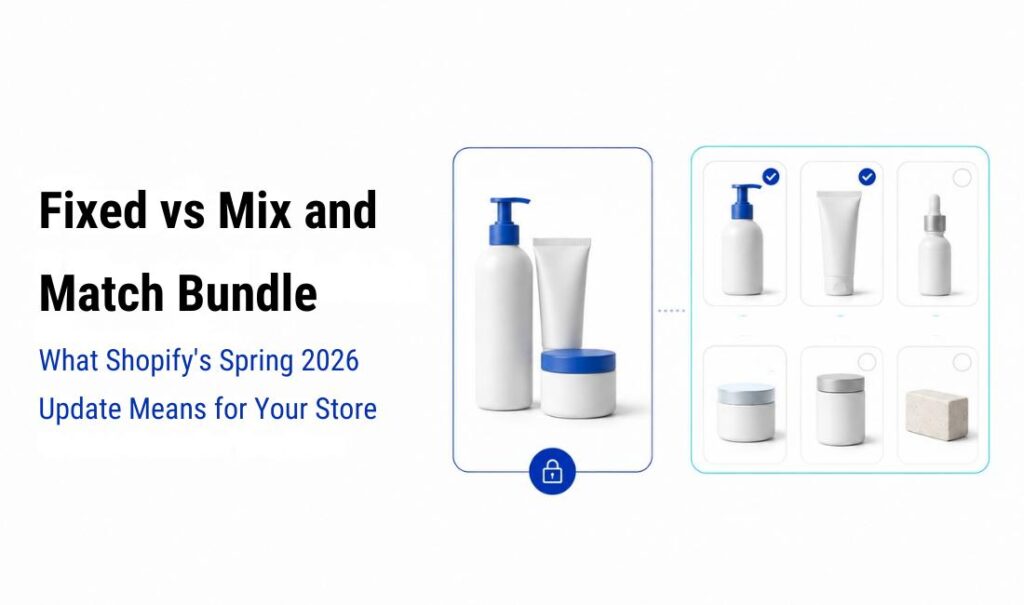
Type#2 混合搭配套装(单一产品)
此套餐允许顾客选择同一产品的多种规格。对于既想灵活选择又不想过于复杂的顾客来说,这非常实用。产品本身保持了熟悉感,但购物体验却更加个性化。.
它非常适合巧克力、蜡烛、护肤品、零食或任何具有多种口味、香味或颜色的产品。从商店的角度来看,这还可以减少 SKU 数量,同时提高平均订单价值。.
例如:从10种口味中任选6种巧克力,组成一个情人节礼盒。顾客会感到自己参与其中,但选择过程仍然很简单。.
Type#3 混合搭配套装(多种产品)
多产品自由搭配组合让顾客可以从不同的产品中自由组合,打造属于自己的情人节礼盒。这赋予了购物者更多自主权,也让礼物显得更加精致,而非批量生产。.
这种礼品形式最适合产品线互补的品牌。它也吸引那些想要比固定套装更具个性化礼品的消费者。.
例如:选择一支蜡烛、一块巧克力和一件小饰品,就能打造一个情人节礼盒。即使搭配方式有固定的模式,最终呈现的礼盒依然给人一种专属定制的感觉。.
情人节特惠 Type#4 大容量发束
批量促销注重的是数量而非种类。顾客一次性购买更多商品,就能获得更高的整体性价比,而品牌无需依赖大幅折扣。关键在于将其定位为一套商品组合,而非简单的批量交易。.
这些套装最适合消耗品和重复使用物品。它们也适用于犒劳自己的礼物或情侣套装,因为多买几套更划算。.
例如:买三支蜡烛作为情人节套装,营造温馨的居家氛围。既实用又显得精心设计。.
Type#5 固定礼盒套装
固定礼盒套装已预先包装好,无需任何定制。它们的设计旨在提供快捷和安心的购物体验,尤其是在情人节临近之际。顾客不想费心思,他们想要的是立竿见影的效果。.
这些组合装产品在最后一刻才想起购物的顾客中非常受欢迎,因为它们减少了购物过程中的摩擦,加快了结账速度。.
例如:一个预先设计好的情人节礼盒,内含蜡烛、巧克力和贺卡。只需点击一下,一个决定,一份完整的礼物就完成了。.
Type#6 个性化情人节礼包
个性化礼包通过定制留言、姓名或镌刻等方式增添情感价值。它们不依赖折扣,更注重内涵。这使得它们即使价格较高,也依然具有强大的吸引力。.
这些套餐在个性化程度适中且不至于让人感到不知所措时效果最佳。.
例如:一套手链套装,包含一段简短的刻字信息和一张打印的情人节贺卡。顾客购买的是情感,而不仅仅是产品本身。.
Type#7 数字+物理混合套装
混合礼包将实体礼物与数字元素相结合,例如即时消息、二维码留言或电子贺卡。它们解决了情人节常见的难题,例如异地送礼和深夜购物。.
这种格式对于临近发货日期购买商品的消费者来说尤其有用,因为他们此时对收货的焦虑程度很高。.
例如:一份实体礼物正常寄送,同时在结账时发送一条即时发送的电子情人节祝福信息。即使运送需要时间,这份礼物也能给人以即时送达的感觉。.
如何制作情人节礼包(分步指南)
如果你在想,“太好了,但我该如何实际操作呢?”这里是快速设置步骤。.
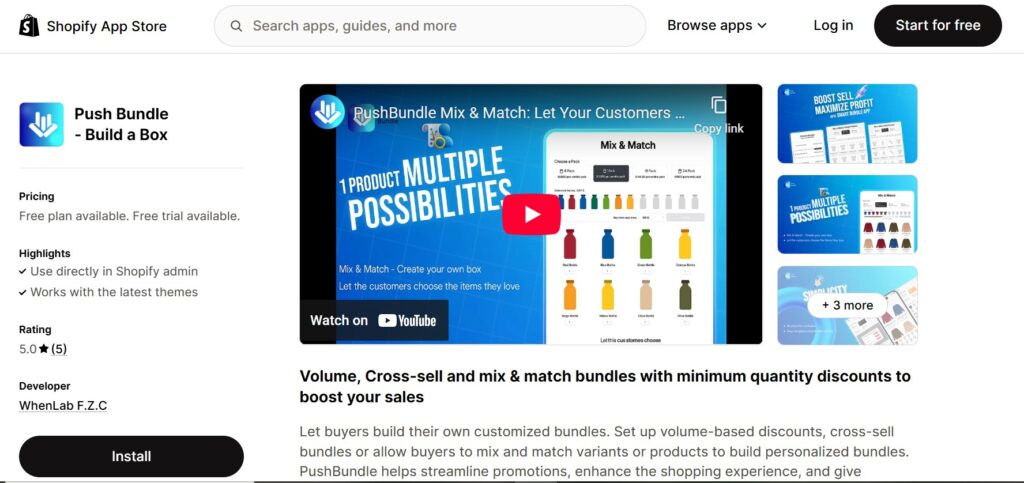
步骤#1 安装应用程序
安装 Shopify 捆绑应用 来自 Shopify App Store。
步骤#2 选择功能
在应用程序的控制面板中,您会找到一个“创建套餐”的下拉菜单。目前,共有四种类型的套餐可供选择。.
- 卷捆绑包
- 混搭(单一产品)
- 混合搭配(多种产品)
- 交叉销售组合
在这个例子中,我们以混搭(多种产品)为例进行说明。.
Step#3 套装标题和产品选择
选择该功能后,您首先会看到两个部分:“捆绑信息”和“选择产品”。
添加标题。 这是您的客户在产品页面、购物车和结账页面看到的内容。务必保持清晰明了。使用能够描述产品的名称。 感觉 或者说,礼物的意义而非内容本身才是最重要的。消费者更容易被情感暗示而非产品清单所打动。.
写一个简短的描述。 您最多可以写150个字符。所以请尽量简洁明了,用通俗易懂的语言解释一下套餐内容。.
接下来,前往“选择产品”框。在这里,您可以选择哪些产品适用此捆绑包。请确保捆绑包中的产品能够相互兼容。点击“浏览”按钮,即可查看完整的产品列表。.
步骤#4 创建批量包
接下来,您会看到“数量包”部分。在这里,您可以为您的产品创建不同的包装。
清楚地命名您的包装,以便客户知道它是什么。
- 选择数量(例如,包 1、包 2)。
- 选择折扣类型——百分比折扣、固定金额折扣或不打折。如果选择“不打折”,应用会直接计算不同选项的价格总和。.
- 在我们的例子中,如果客户购买一个“Pack 1”,他们将获得 5% 折扣。
您还可以添加多件装折扣。例如,如果客户购买了 20 个“Pack 2”套装,折扣将跳升至 15%。您可以自由设置多个多件装规则。
最后,还有高级限制(可选)。在这里,您可以控制客户可以选择的变体数量以及每个变体可以添加的数量。
步骤#5布局显示
对于布局显示,您有两种选择:顶部栏模板或侧边栏模板。请选择最适合您商店设计的模板。
还有一个“更改图标”选项。您可以在这里上传产品的盒子图标或占位符图标。如果您希望捆绑包更具视觉效果和品牌形象,这将非常有帮助。
最后,别忘了在包装标签上添加副标题。这能让顾客更清楚地了解包装内含的产品,让产品一眼就能看懂。
步骤#6 客户资格和状态
您还可以选择哪些人可以看到此套餐。您可以设置所有客户可见,也可以限制特定客户标签,甚至特定客户可见。套餐可以随时激活或停用。
Step#7 自定义选项
在表单的最后,您会看到一个“高级选项”按钮。在这里,您可以微调优惠的外观和对购物者的操作。您可以调整的四个方面是:
- 显示设置——控制捆绑包在页面上的显示方式。
- 主题定制——使外观与您店铺的品牌形象相匹配。.
- 添加到购物车——编辑添加到购物车按钮的工作方式和显示方式。
- 自定义 CSS – 如果您想要更多控制权,可以进行更深层次的设计调整。
做出选择后,请不要忘记点击“保存”。
如果需要,请观看此视频!
如何在不损害品牌价值的前提下为情人节礼包定价
情人节,人们更看重的是商品的感知价值,而不是折扣百分比。消费者购买的是礼物,而不是折扣,大幅降价反而会降低商品的特别之处。精心设计的礼盒之所以受欢迎,是因为它给人一种完整且用心的感觉,而不仅仅是价格更低。.
锚定效应至关重要。当顾客首先看到单个商品组合起来的价值时,即使没有大幅折扣,他们也会觉得捆绑销售的价格合理。在很多情况下,一些小小的优惠,例如免费礼品包装或额外赠品,比大幅降价更有效。它既能增加价值,又不会降低顾客的预期。.
目标是避免价格战。情人节礼包既要维护品牌形象,又要让消费者感到购买安心放心。.
高转化率情人节礼包的最佳实践
优秀的情人节礼包应该简洁明了,易于让人信赖。包装和结构上的小细节往往比价格本身更重要。.
- 限制套餐选择: 选择太多反而会让人犹豫不决。两到三种清晰明了的组合套餐能帮助消费者更快地做出决定,尤其是在时间紧迫的情况下。.
- 使用情人节专属的名称和视觉元素: 使用季节性名称和视觉元素能让产品组合显得精心设计。而通用标签则会让人觉得产品是重复使用或仓促推出的。.
- 将礼包作为一个完整的礼物展示: 将礼盒作为一个整体产品展示,而不是列出一系列物品。这样可以强化礼物是精心搭配的印象。.
- 重点说明该套餐的目标用户: 诸如“送给她”、“送给情侣”或“最后一刻的礼物”之类的明确提示,可以帮助购物者快速了解该套装是否符合他们的需求。.
- 确保送货时间不会错过: 明确的交货期限可以减少焦虑,防止购物车被遗弃,尤其是在情人节临近的时候。.
避免情人节礼包常见错误
即使是出于好意的捆绑销售,如果增加了摩擦或造成了困惑,也会失败。以下是导致转化率下降的最常见错误。.
- 过度定制: 选择太多会让套餐变得复杂难选。情人节购物者需要的是指导,而不是控制。.
- 套餐层级过多: 过多的选项会造成比较疲劳。每多一个选项,就更有可能最终无法做出决定。.
- 通用产品名称: 缺乏情感的名字难以引起共鸣。情人节礼包应该体现个人心意,而非商业气息。.
- 隐瞒交货期限: 不明确的物流信息会引发疑虑。如果不确定礼物能否按时送达,消费者就会犹豫不决。.
- 将捆绑销售视为折扣: 将套装产品定位为促销手段会削弱其情感价值。套装产品应该让人感觉像是送礼佳品,而不是销售策略。.
如何追踪和衡量情人节套餐的效果
单凭销售额并不能全面反映您的情人节礼包的销售情况。由于礼包旨在减少消费者的犹豫并增强他们的购买信心,因此您需要关注反映购买行为的指标,而不仅仅是销售总额。.
比收入更重要的指标
重点关注基于行为的指标,这些指标能够显示捆绑销售是否让决策变得更轻松。这些指标通常比收入更能及时揭示成功。.
捆绑销售转化率
追踪浏览过产品组合的访客实际购买该产品组合的频率。较高的转化率通常意味着产品组合清晰明了、内容完整且值得信赖。.
AOV 提升来自捆绑包
比较捆绑销售和单品购买的平均订单价值。这可以显示捆绑销售是否能在不强制折扣的情况下增加购物车中的商品数量。.
捆绑商品购物车放弃率
较低的放弃率通常表明定价、交付时间和套餐清晰度都发挥了作用。.
比较捆绑套餐与非捆绑套餐的性能
并排比较可以帮助您了解捆绑销售是否提高了消费者的信心,而不仅仅是改变了销售情况。.
何时推出情人节礼包才能获得最佳效果
时机对情人节礼包的销售业绩起着至关重要的作用。消费者的购买行为会随着距离情人节日期的远近而变化,你的上市策略也应该体现这一点。.
- 提前规划者 vs. 临时抱佛脚的买家: 提前购买的顾客追求贴心的礼物和个性化定制,而临近截止日期的顾客则更注重速度和确定性。您的商品组合应该同时满足这两种顾客的需求。.
- 软性推广 vs 硬性推广: 试运营有助于产品组合被索引、测试和优化。过早强势推广可能会让你的信息传递方式不再符合买家的迫切需求。.
- 2月14日临近时将更新捆绑包信息: 随着日期临近,重点应转移到交货期限、礼物准备和简洁性上。两周前奏效的方法可能就无法吸引到临近截止日期的买家了。.
尽早推出并随着时间推移调整宣传信息,可以让捆绑销售产品在整个情人节购物季中获得最佳转化率。.
常见问题解答 (FAQ)
请阅读我们的常见问题解答列表 情人节礼包.
情人节礼物该怎么命名?
使用能够描述名称的名称 感觉 或者说,礼物的意义而非内容本身才是最重要的。消费者更容易被情感暗示而非产品清单所打动。.
情人节期间,捆绑销售比单独折扣更划算吗?
大多数情况下,答案是肯定的。捆绑销售比单纯的折扣更能减轻消费者的决策压力,也更显用心。情人节购物者购买的是礼物,而不是单纯的省钱。精心设计的捆绑销售往往转化率更高,因为它提供的是完整的解决方案,而不仅仅是价格折扣。.
我可以同时提供折扣和套餐吗?
是的,但要谨慎。一些小的优惠可以提升套装的吸引力,例如免运费或赠送小礼品。而大幅折扣则会降低礼品的价值感。套装本身应该才是主要的吸引力所在,而不是折扣。.
如何宣传情人节套餐?
注重清晰度和时效性。明确指出礼包的目标受众、包含内容以及送达截止日期。在电子邮件、产品页面和社交媒体帖子中使用以礼品为中心的措辞,而不是充斥着促销信息的语言。.
结论
情人节购物更多受情感驱动,而非价格比较。顾客希望对自己的选择充满信心,尤其是在时间紧迫的情况下购买礼物。套装之所以有效,是因为它消除了不确定性,提供了一套完整的解决方案,而不是让顾客自己搭配礼物。.
通过简化购买决策,捆绑销售可以增强消费者的信心,减少结账时的犹豫。在2026年,这种方法比以往任何时候都更加重要。精心设计的捆绑销售效果始终优于激进的折扣,后者会让礼物显得千篇一律,缺乏个性。.
情人节营销的成功秘诀在于清晰明了,而非复杂繁琐。当你的礼盒包装显得用心、精美且易于购买时,顾客更有可能下单。.

 简体中文
简体中文  English
  日本語
日本語  Français
  Deutsch
  Español
  Italiano